
20 Advanced Tips to Improve Your Home Improvement
“`html
20 Advanced Tips to Improve Your Home Improvement
Home improvement is often categorized into simple DIY tasks like painting a wall or replacing a light fixture. However, for homeowners looking to significantly increase property value, enhance structural longevity, and improve daily quality of life, a more sophisticated approach is required. Advanced home improvement goes beyond aesthetics; it integrates engineering, high-end design principles, and smart technology.
In this comprehensive guide, we explore 20 advanced strategies to elevate your home renovation projects from standard to exceptional. Whether you are planning a full-scale remodel or targeted upgrades, these tips provide the professional edge needed for a high-ROI transformation.
1. Prioritize High-Performance Building Envelopes
Before focusing on the interior, address the building envelope. Advanced home improvement starts with air sealing and high-grade insulation (such as spray foam or mineral wool). Improving your home’s thermal boundary reduces energy bills and prevents moisture buildup, which protects the structural integrity of the house for decades.
2. Install Multi-Stage HVAC Systems
Standard HVAC units are either “on” or “off.” Advanced systems utilize multi-stage or variable-speed compressors. These systems operate at lower speeds for longer durations, providing superior humidity control and consistent temperatures while using significantly less electricity. It is a premium upgrade that savvy buyers look for in high-end markets.
3. Integrate Smart Water Leak Detection
Water damage is one of the leading causes of home insurance claims. An advanced upgrade involves installing a smart whole-house water shut-off valve (like Moen Flo or Phyn). These devices monitor flow rates and can automatically shut off the main water line if a leak is detected, saving you from catastrophic repair costs.
4. Focus on Layered Lighting Design
Generic overhead lighting can make a space feel flat. Advanced improvement utilizes three layers: ambient (general), task (functional), and accent (aesthetic). Incorporating dimmable LED strips in toe-kicks, cove lighting in ceilings, and directional art lighting creates a luxury atmosphere that defines modern architectural design.
5. Upgrade to Custom Millwork and Wainscoting
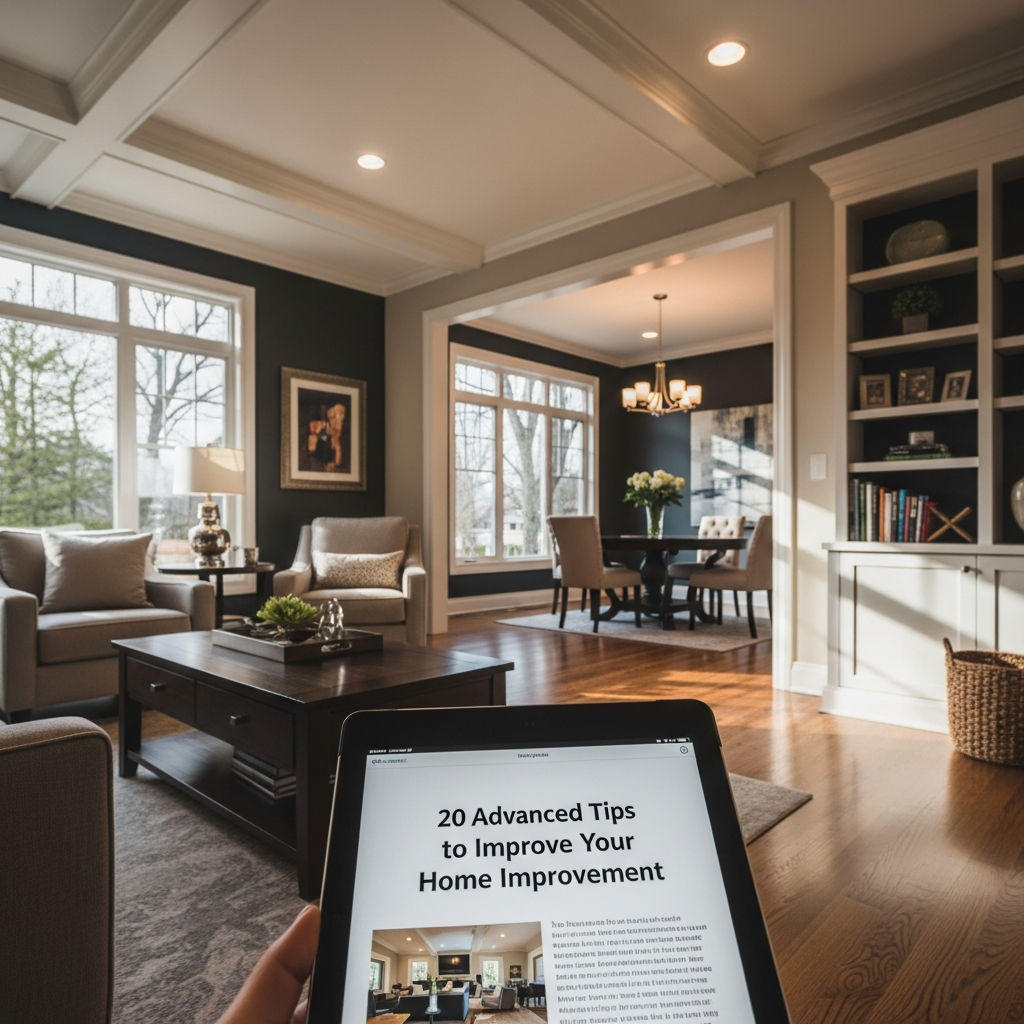
Off-the-shelf trim is functional but rarely impressive. Custom millwork, including coffered ceilings, deep baseboards, and intricate wainscoting, adds architectural character. This “permanent furniture” provides a sense of history and craftsmanship that significantly boosts a home’s appraisal value.
6. Invest in High-Performance Windows
Replacing windows is common, but “advanced” improvement involves selecting triple-pane glass with Low-E coatings tailored to your specific climate. In colder regions, focus on high solar heat gain; in warmer areas, prioritize heat rejection. Proper flashing and sealing during installation are equally critical to prevent future rot.
7. Utilize Curated Hardware Uniformity
A subtle but powerful tip is to ensure all hardware—door handles, hinges, cabinet pulls, and switch plates—follows a cohesive design language. Using solid brass or forged steel hardware instead of hollow zinc creates a tactile sense of quality every time a door is opened or a drawer is pulled.
8. Implement a Centralized Smart Home Hub
Move away from a dozen different apps for your lights, locks, and cameras. Advanced home improvement integrates these into a centralized system like Control4, Savant, or a robust Home Assistant setup. Centralization allows for “scenes”—such as a “Goodnight” button that locks all doors, dims lights, and sets the thermostat simultaneously.
9. Optimize Kitchen Ergonomics with “Work Zones”
The traditional “work triangle” is being replaced by “work zones.” Designate specific areas for prep, cooking, cleaning, and consumables. This includes advanced features like pot fillers over the stove, dual dishwashers for large families, and dedicated “appliance garages” to keep countertops clutter-free.
10. Choose Natural Stone with Purpose
While quartz is popular for its low maintenance, advanced designers often return to natural stones like Quartzite or honed Marble for their unique veining. If using natural stone, ensure it is treated with a high-grade professional sealer to prevent staining, offering a timeless look that engineered materials cannot replicate.
11. Incorporate Acoustic Insulation
Modern homes with open floor plans and hard surfaces can be noisy. Advanced improvement includes installing acoustic-grade drywall (like QuietRock) or rock wool insulation in interior walls, especially around media rooms, home offices, and bathrooms. This creates a “quiet luxury” environment by minimizing sound transfer.
12. Install an Electric Vehicle (EV) Charging Station
Future-proofing is a key element of advanced renovation. Installing a Level 2 EV charging station in the garage is no longer a niche upgrade—it is becoming a standard expectation for modern homebuyers and adds immediate functional value.
13. Advanced Drainage and Permeable Paving
Home improvement shouldn’t stop at the walls. Advanced landscaping involves managing runoff. Using permeable pavers for driveways and walkways allows water to soak into the ground, reducing erosion and protecting your foundation. This is both an eco-friendly and a structurally sound investment.
14. Create a “Wellness” Bathroom
Transform a standard bathroom into a spa-like retreat by adding advanced features such as thermostatic shower valves (which maintain a precise temperature), heated floors, and steam shower capabilities. These elements significantly increase the “resort feel” of a primary suite.
15. Use Low-VOC and Natural Finishes
Advanced improvement considers Indoor Air Quality (IAQ). Use Zero-VOC paints, natural oils for wood flooring (like Rubio Monocoat), and formaldehyde-free cabinetry. These choices create a healthier living environment and are a major selling point for health-conscious buyers.
16. Upgrade Your Electrical Panel and Service
With the rise of heat pumps, induction stoves, and EV chargers, many older homes have insufficient power. Upgrading to a 200-amp (or higher) smart electrical panel allows you to monitor energy usage per circuit and ensures your home can handle the electrical load of modern life.
17. Focus on Siding Longevity
If replacing siding, look beyond vinyl. Advanced materials like fiber cement (James Hardie) or modified wood (Kebony or Accoya) offer superior fire resistance, pest resistance, and lifespan. These materials hold paint longer and provide a much higher-end aesthetic.
18. Incorporate Native and Xeriscaped Landscaping
High-maintenance lawns are being replaced by native plantings that require less water and fertilizer. Advanced landscaping design uses xeriscaping principles to create beautiful, drought-tolerant environments that thrive with minimal intervention, saving money and time on maintenance.
19. Add a Dedicated Home Office with Infrastructure
A “spare room” is not a home office. An advanced home office includes hardwired Cat6 Ethernet ports, dedicated circuits to prevent breakers from tripping under heavy computer loads, and built-in storage designed for modern tech peripherals.
20. Master the “Fifth Wall”: The Ceiling
Often overlooked, the ceiling offers immense design potential. Advanced home improvement might include wood planking, intricate plasterwork, or even a subtle “sky” mural in a nursery. Treating the ceiling as a design element adds depth and a custom-built feel to any room.
Conclusion
Advanced home improvement is a blend of foresight, quality materials, and technical precision. By moving beyond superficial fixes and focusing on structural integrity, energy efficiency, and high-end design, you create a home that is not only more comfortable to live in but also stands out in a competitive real estate market.
Remember that the most successful projects are those that balance modern technology with timeless craftsmanship. Whether you are upgrading your HVAC system for better air quality or installing custom millwork for architectural interest, these twenty tips will ensure your next home improvement project is a resounding success.
“`